



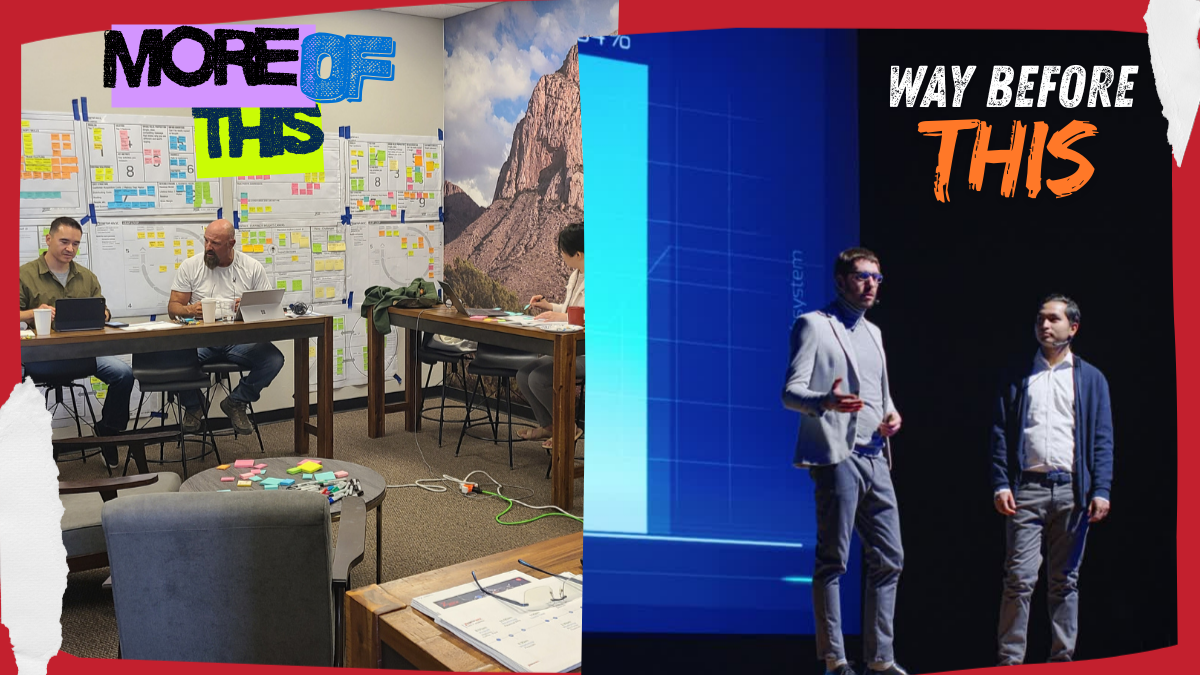

Creating Buzz vs. Building an Entrepreneurial Mindset Machine:
Why Startup Events Are Not Enough in a Nascent Ecosystem
In many emerging or early-stage startup ecosystems, people often believe that hosting more events, such as pitch nights, mixers, demo days, and innovation fairs, will magically create a strong community of entrepreneurs. These events are fun, energizing, and great for photos. They make it feel like “something is happening.”
But while events can create buzz, they do not build the long-term habits, skills, or support systems that founders need to succeed. A sticky and viral entrepreneurial mindset, one that leads to developing founders who can plan and execute, building successful companies, real products, and creating jobs, requires a very different kind of work. It requires consistency, discipline, and a support system that continues long after the event ends. Or else the momentum is lost faster than it was developed.
Here’s why simply running events is never enough to build a sustainable startup ecosystem. These are the exact reasons why Startup Zones is approaching its programming differently than everyone else.
Events Create Moments, Not Mindsets
A startup event can inspire someone for a night, but a strong entrepreneurial mindset requires repeated practice over months or years. Founders need to learn how to:
- identify real hair-on-fire problems
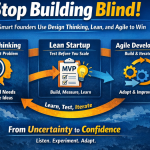
- test ideas and assumptions
- talk to customers
- strategize minimal viable product (MVP)
- build prototypes
- deal with rejection
- stay motivated when things get tough
- be willing to ask for help
These skills don’t come from a two-hour pitch competition. They come from hands-on experience, mentor guidance, and working through challenges over time.
Events Attract Crowds, Not Builders
Events bring together a diverse mix of people, including students, professionals, curious community members, and occasionally founders. But most attendees are spectators, not builders. They show up for the experience, the social aspect, or the free food and drinks.
Actual ecosystem growth happens when people stick around after the event:
- meeting weekly
- sharing progress
- asking for feedback
- offering help
- sharing experiences (yes, even f—ups)
- doing the work between events
A sustainable ecosystem depends on committed builders of startups and the ecosystem that they will rely on, not temporary visitors.
Buzz Doesn’t Build Companies
Events create excitement. They make the community feel alive. But excitement doesn’t build startups. Founders still need:
- customer validation
- a great story and pitch deck
- working prototypes
- a repeatable (scalable) business model
- a clear value proposition
- execution and sales
- access to mentors and talent
These things happen through ongoing programs, not one-night gatherings. Buzz may motivate people, but capability helps them succeed.
Events Don’t Create Strong Mentors
In young ecosystems, experienced mentors are often scarce or difficult to find. Events usually highlight the same small group of local lifestyle business experts, even when they haven’t built scalable tech companies themselves. When founders rely on advice from people without real experience in tech startups, it can lead to confusion, misguided priorities, and wasted effort. What should take weeks or months takes years. What a waste!
Sustainable ecosystems build mentor networks slowly and intentionally, with people who have actually built and scaled companies before.
Pitch Focus Can Hurt More Than Help
Many events celebrate pitch perfection, smooth slides, confidence, and big visions. But pitching too early can distract founders from building. A great pitch doesn’t make a great product. In fact, focusing on the pitch before the product often leads to:
- weak business foundations
- missing customer insights
- premature pivots
- overconfidence without evidence
Strong ecosystems teach founders to build first, pitch second.
Real Growth Requires Real Infrastructure
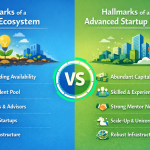
Events are temporary. Strong ecosystems rely on permanent systemic programs, such as:
- early idea acceleration programs
- recurring founder meetups
- community building by founders for founders
- accountability groups
- mentor networks
- access to customers
- access to technical talent
- pathways to funding
Infrastructure and engaged founders are what help all vested founders move from idea to prototype to traction. Events alone can’t do that.
Trust and Collaboration Take Time
Ecosystems thrive when people trust one another. Trust is built through repeated interactions, shared work, and mutual support for each other’s progress. That kind of relationship doesn’t form at a single event. It grows slowly through consistency, honesty, and mutual help.
The Bottom Line: Events Spark Interest, But Mindset Builds Momentum
Startup events are valuable; they create energy, attract newcomers, and celebrate local talent. However, they cannot replace the deep, ongoing work required to cultivate entrepreneurs. A sustainable startup ecosystem needs:
- committed founders
- experienced mentors
- consistent learning
- a culture of collaboration and abundance
- long-term support programs
- vested founders in self and ecosystem
Events start the conversation.
Mindset carries it forward.
In a nascent ecosystem, the real magic happens not on stage, but in the work that takes place every day after the lights go out.