





Coachability is a Competitive Advantage (And You’re Failing It)
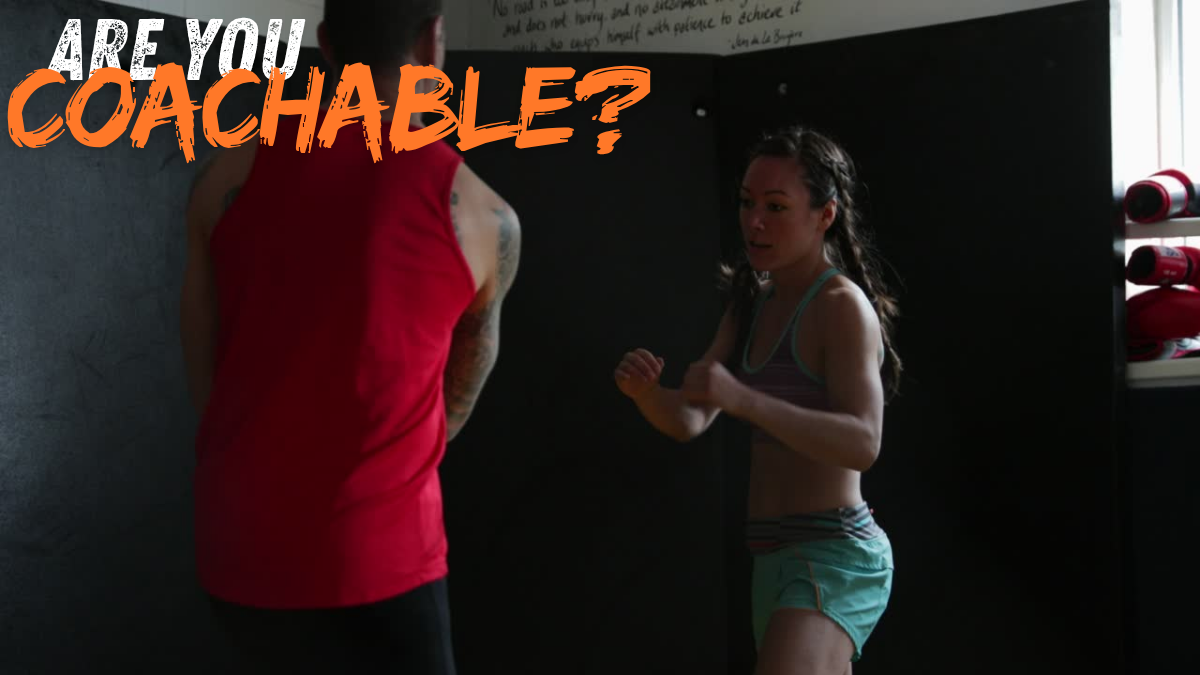
One of the most challenging concepts for the over 3,000 funders I’ve mentored and advised over the years is coachability. What the heck does that even mean? Here’s how I see it.
Coachability doesn’t start after the meeting; it starts the second you open your mouth. The moment you begin the conversation, people are already reading you. Not your slides. Not your credentials. You. Are you here to learn, or are you here to defend your idea? That signal comes fast, and you don’t get to control how obvious it is.
And here’s the part most founders miss: expert mentors, advisors, and investors aren’t guessing. They’ve seen hundreds, sometimes thousands, of founders. Within minutes, sometimes seconds, they know if you’re coachable or not. Not based on what you say, but how you react when your thinking gets challenged. That’s where the real evaluation happens.
With a Mentor: It Starts in the First Question
Mentors are listening to one thing:
Are you here to learn… or to be validated?
Coachability shows up instantly in how you engage:
- Do you set context clearly, or ramble?
- Do you invite challenge, or protect your idea?
- Do you listen fully, or interrupt to explain?
- Do you take copious notes and commit to action, or are you passive?
- Do you follow through, or are you a polite chatterbox?
A coachable founder sounds like:
- “Here’s what I think I know. Here’s where I might be wrong.”
That signal can appear within the first 60 seconds. And it is validated at a future meeting where outcomes are measured.
With an Advisor: It Starts When You Frame the Problem
Advisors operate at a higher altitude. They’re not just listening; they’re pattern-matching.
They’re asking:
Can this founder process strategic input?
Coachability begins when you:
- Present structured thinking (not scattered ideas)
- Show what you’ve already tested
- Highlight where you need help
A founder who is not coachable:
- Is not prepared… Doesn’t provide context.
A coachable founder asks:
- “Here’s what I’ve tried, here’s the result, how would you think about this?”
That difference shows up immediately.
With an Investor: It Starts Before You Pitch
Investors are the most ruthless about this.
They’re not just evaluating your startup.
They’re asking:
If I invest in this person, will they learn fast or fight me for the next 5 years?
Coachability starts:
- In your deck (is it clear, or defensive and bloated?)
- In your first answer to a tough question
- In how you handle pushback
When challenged, investors watch for:
- Do you get defensive?
- Do you pivot your answer thoughtfully?
- Do you acknowledge gaps?
Powerful responses:
- “That’s a fair point. We haven’t validated that fully yet. Here’s how we plan to test it.”
- “We tried that with mixed results, but I would appreciate guidance on how you would approach it.”
That builds trust instantly.
The Hidden Timeline Most Founders Miss
Here’s the reality:
- Mentors decide if you’re worth investing time in → within one conversation, and validate during a follow-up conversation
- Advisors decide if you’re worth engaging deeper → within one interaction
- Investors decide if you’re coachable → with a simple challenging question
And once they label you as not-coachable…
It’s incredibly hard to reverse.
The Real Signal
Coachability is not measured by:
- How well you talk
- How smart you sound
- How polished your pitch is
It’s measured by:
How you respond when your thinking is challenged
That’s the moment everything is revealed.
Final Thoughts
Most founders think coachability is something you prove over time. It’s not. It shows up instantly when your ideas get challenged, when things get uncomfortable, when your assumptions get pushed. That moment? That’s the test. Not your pitch. Not your deck. Your reaction.
Because at the end of the day, nobody is betting on your idea; they’re betting on your ability to evolve and execute. If you can’t actively listen and adapt, you’re stuck. The founders who win aren’t the ones who start right… They’re the ones who get better, faster than everyone else.