



-
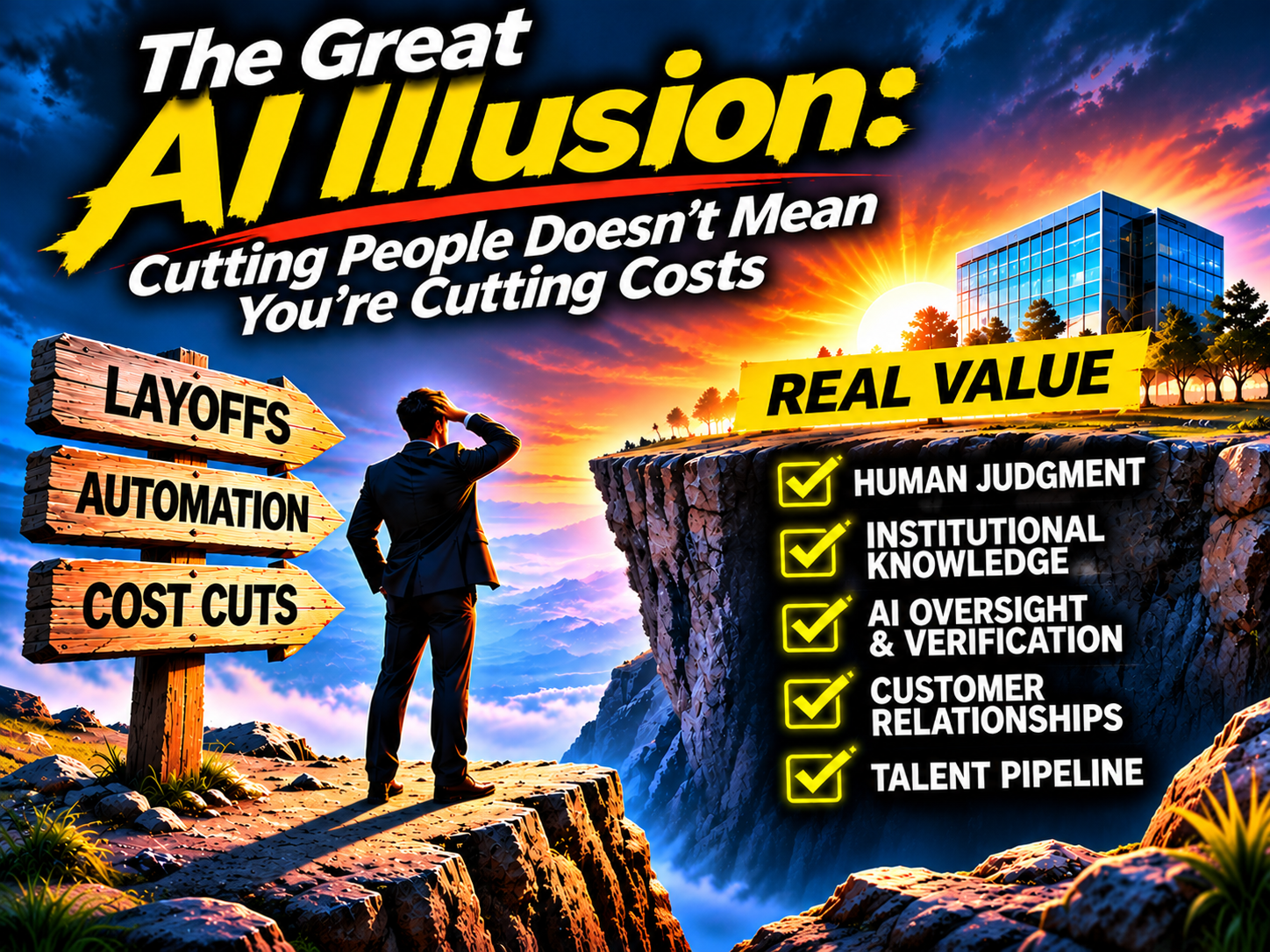
The Great AI Illusion
Cutting People Doesn’t Mean You’re Cutting Costs Executives are celebrating AI productivity gains. But are they measuring the human intelligence required to achieve those gains? There is a dangerous assumption spreading through corporate boardrooms: If artificial intelligence can perform most of an employee’s tasks, the employee must be expendable. It sounds logical. It looks impressive…
-
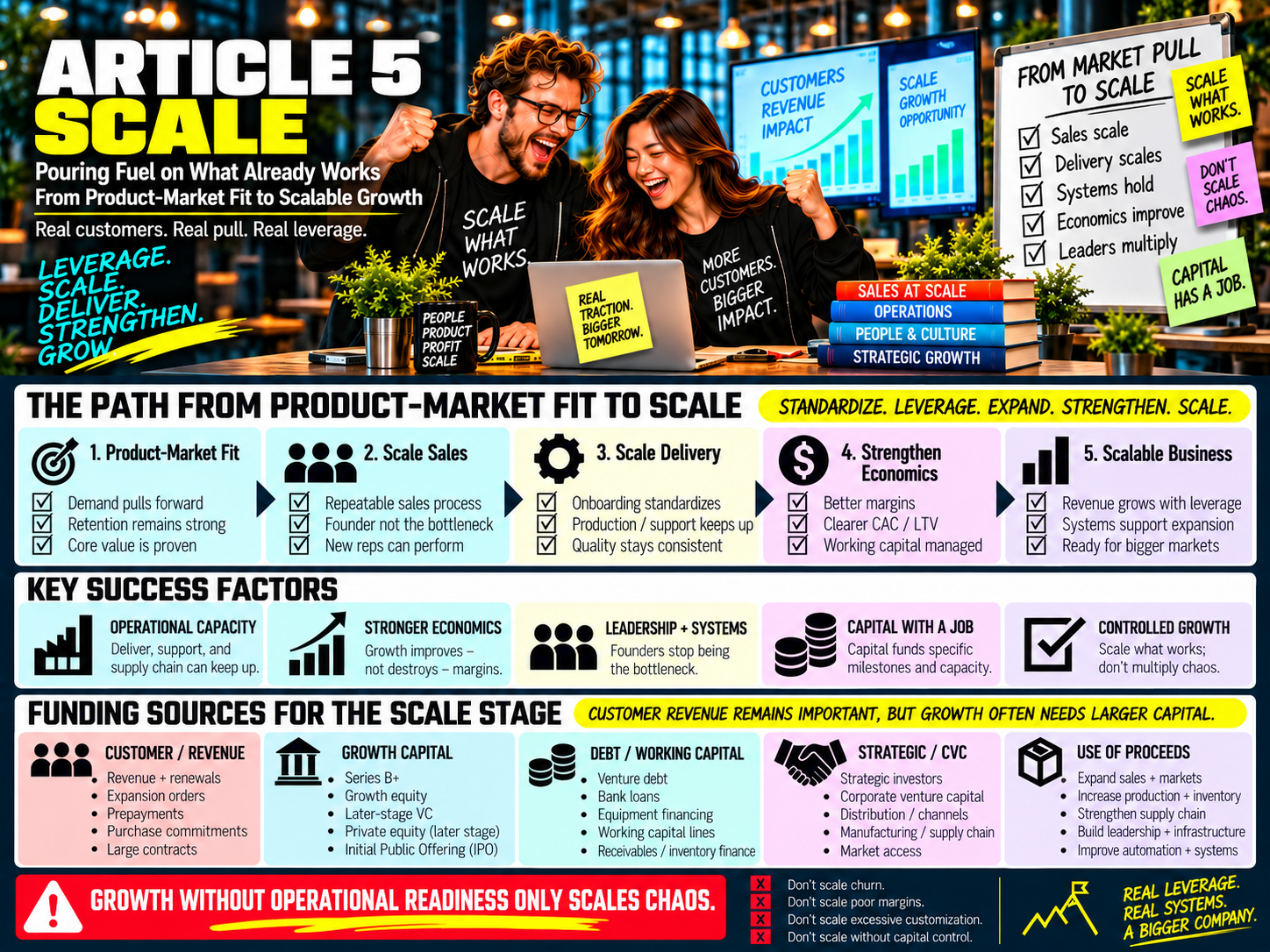
Scale by Pouring Fuel on What Already Works
Funding Your Startup: Capital Literacy and Action In Article 4, we focused on Product-Market Fit. The objective was not simply to grow revenue. It was to prove that your archetype repeatedly buys, stays, expands, refers others, and receives enough measurable value for the market to begin pulling your company forward. If that pull is real,…
-
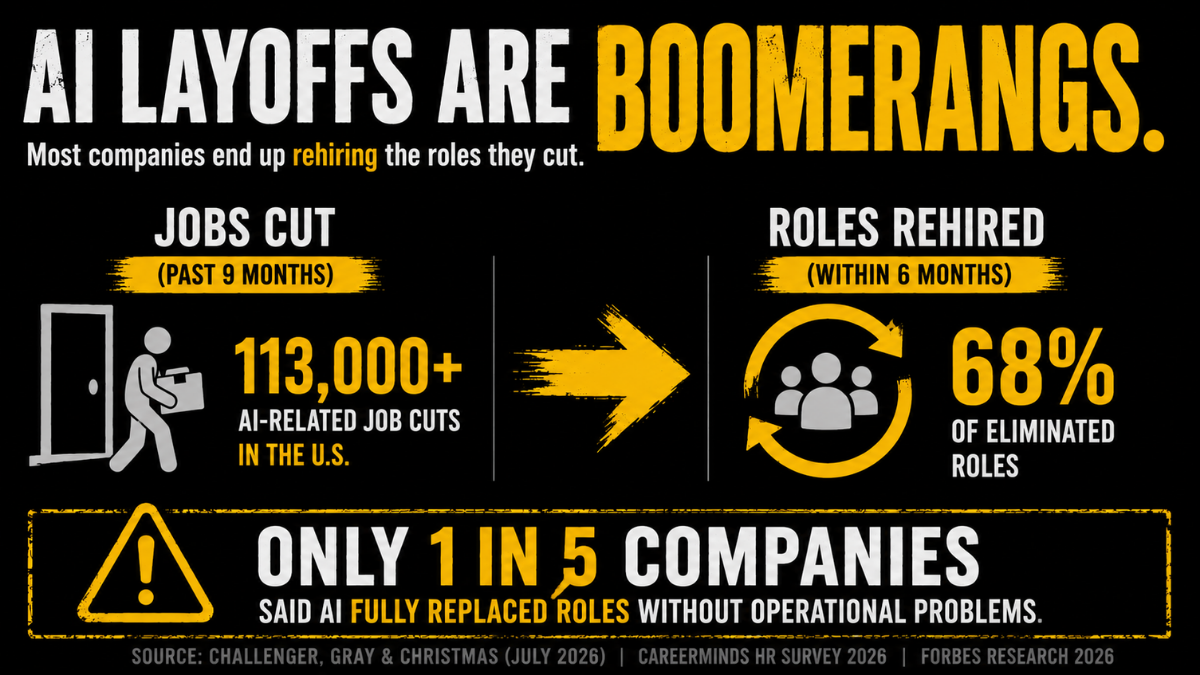
Everybody Else Is Doing It: The Most Dangerous Words in Business
Before following the next management trend, test the assumptions, measure the results, and protect the institutional knowledge your business depends on.
-
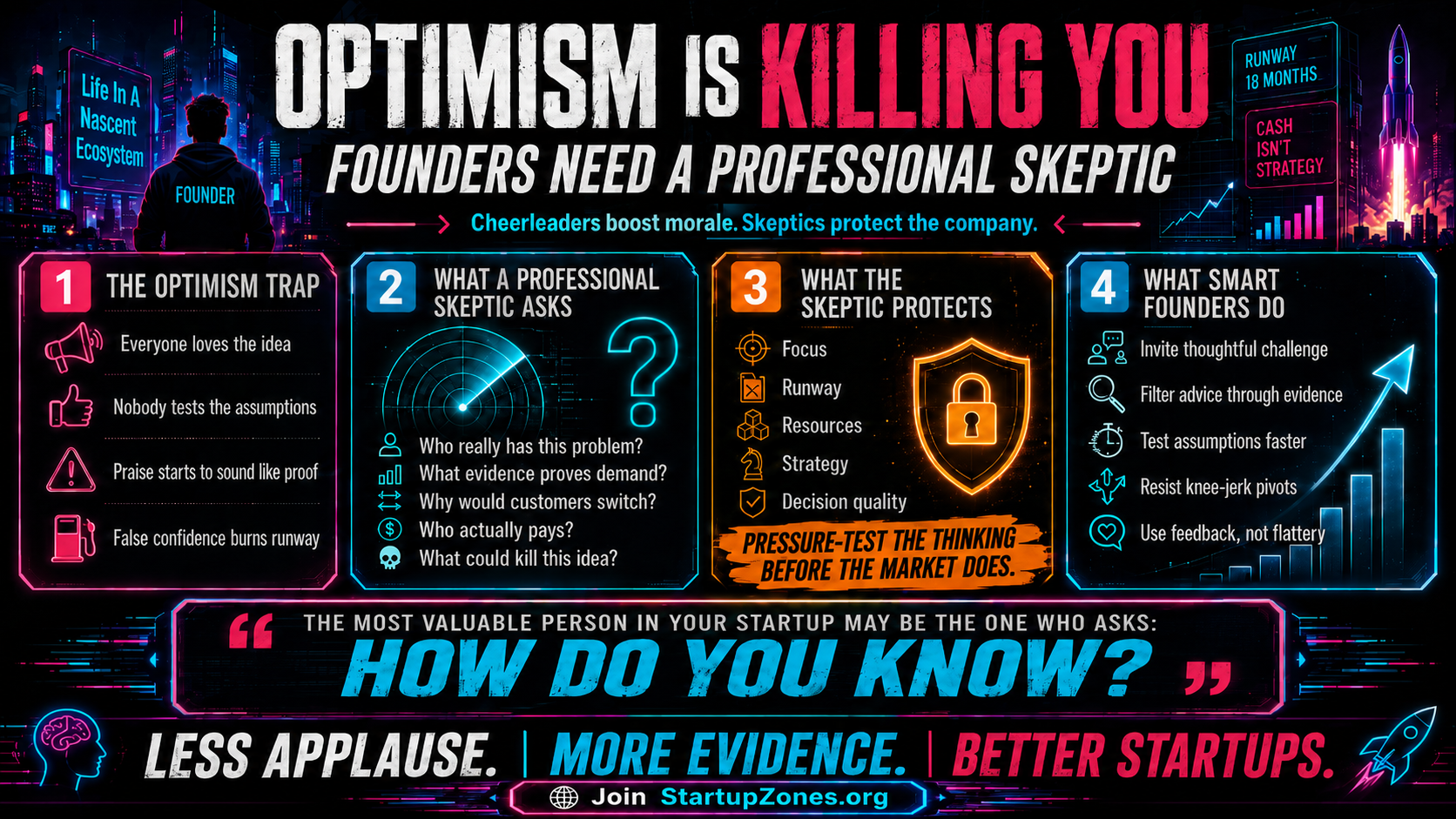
Optimism Is Killing You: Founders Need a Professional Skeptic
Founders need encouragement and thoughtful disagreement. A strategic skeptic helps pressure-test assumptions before the market delivers an expensive lesson.
-
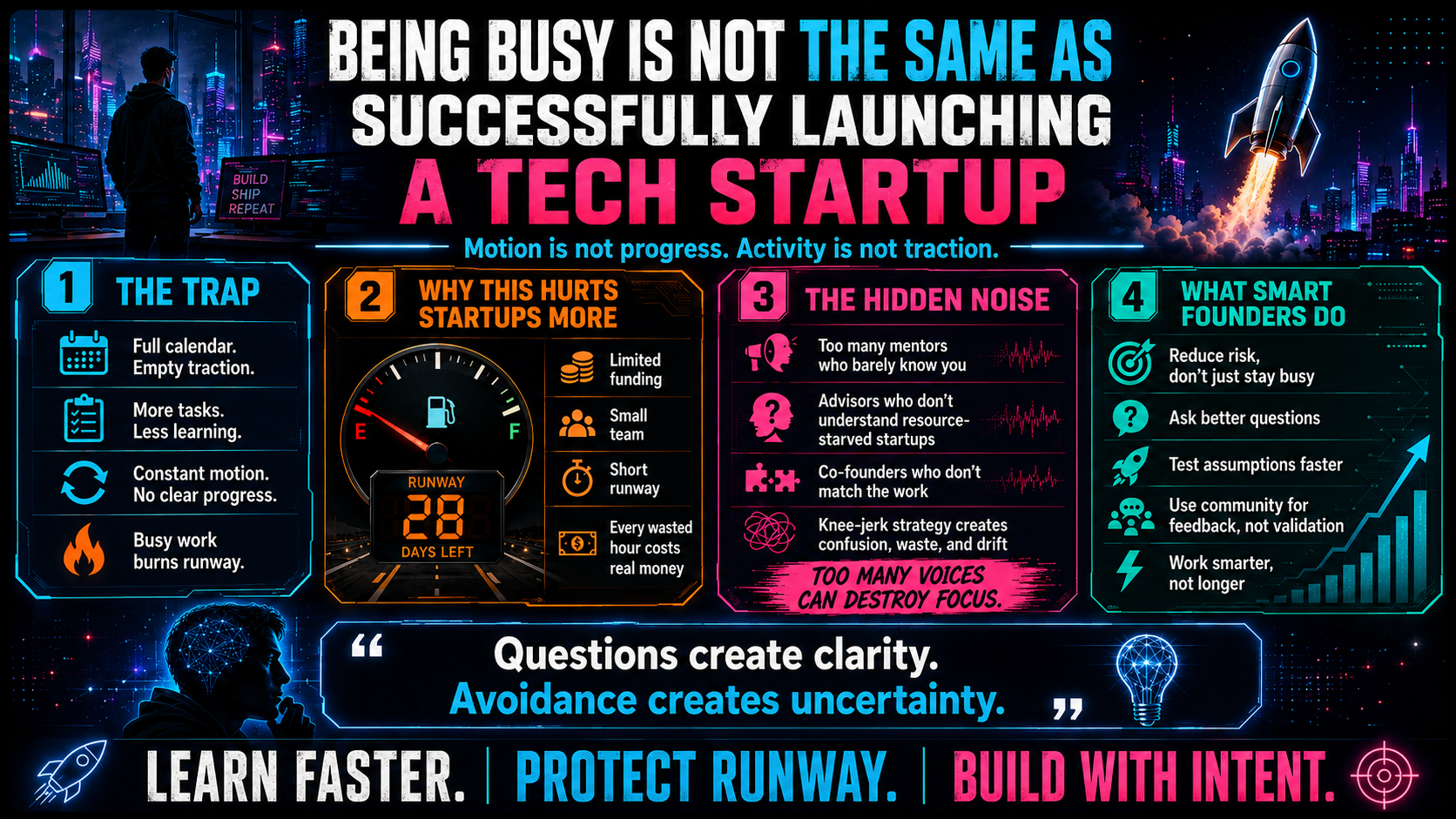
Being Busy is Not the Same as Successfully Launching Startups
Being busy can consume a startup’s runway without creating progress. Focus on evidence, useful feedback, and work that reduces the greatest risk.
-
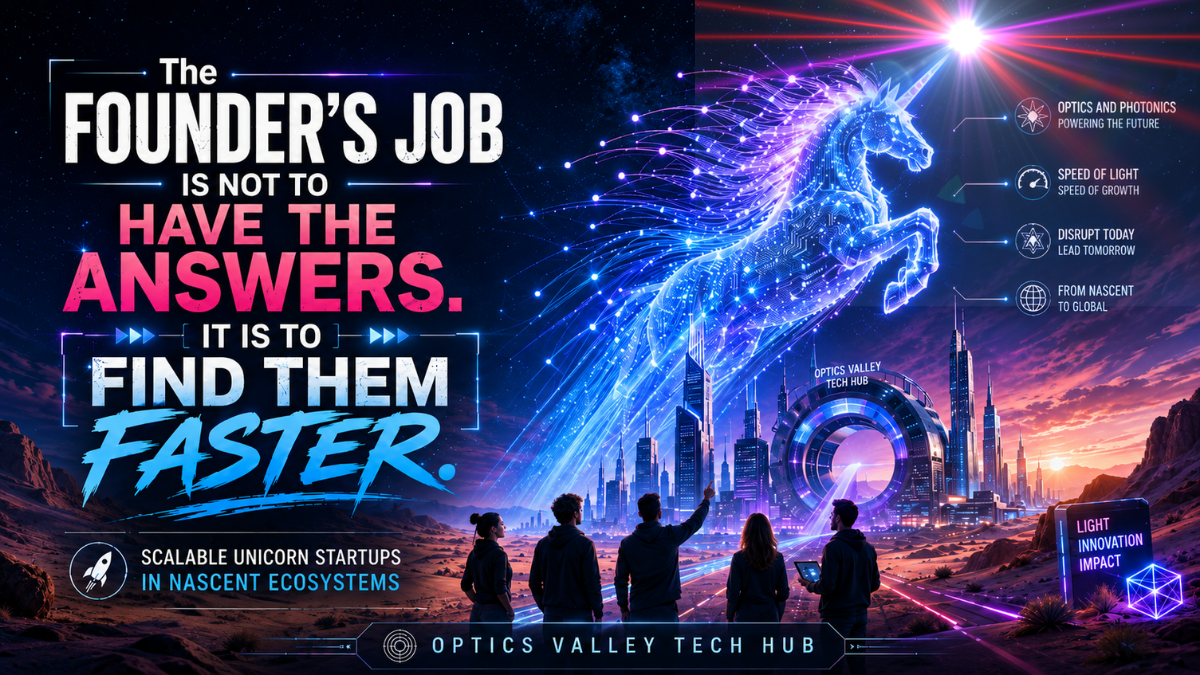
Amazing Tech Founders Find Answers Faster
Great tech founders learn faster by questioning assumptions, listening to customers, running experiments, and drawing on mentors and their startup community.
-
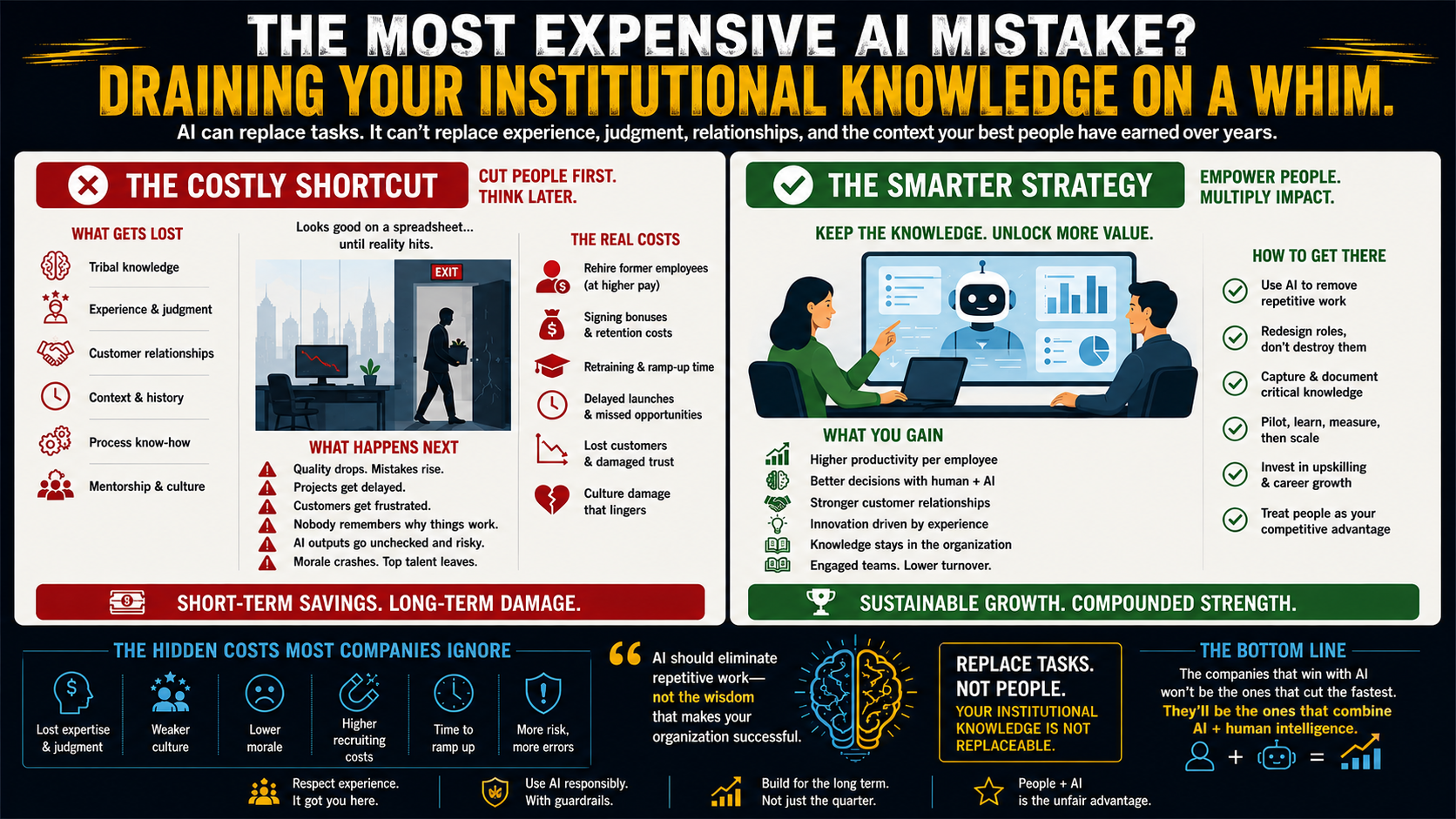
The Most Expensive AI Mistake? Draining Your Institutional Knowledge on a Whim.
AI can automate tasks while leaving critical knowledge gaps. Consider the full cost of losing employee judgment, relationships, context, and experience.
-

The Most Dangerous AGI Decision? Deploy First. Think Later.
An argument for AI guardrails covering accountability, independent testing, human oversight, and workforce transitions before deployment decisions become harder to reverse.